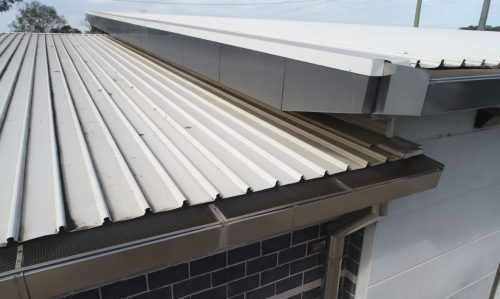
Roof and gutters inspection.

Drone Roof & Building Inspections

Drone imagery is the most cost-effective way to assess the condition of a roof and support facilities management. We avoid the need for workers visually inspecting at heights thereby reducing cost and reducing risk. The addition of a 3D model and our inSite software enables easy fault identification and data navigation.

In addition to the external inspections of buildings, we offer a service to document virtual tours and inspection of the internal layout of buildings, warehouses and industrial facilities.

AUAV has experience working across hundreds of building assets for single clients and reporting at a large scale for companies and government. The reports AUAV provides are easy to interpret so you can see at a glance whether it needs your attention. Each defect is then highlighted in the report with high-resolution photos.

Our inSite software also acts as a historical archive for all condition data. For more information or a quote please email us at contact@auav.com.au.

Data for Roof & Building Inspection Projects

Roof and gutters inspection.
Our team provides:
  • External image capture using thermal imaging cameras.
  • Internal 3D models.
  • Terrestrial laser scanning of industrial equipment.
  • Complete independent roof condition reporting.
  • 3D roof and building model generation.
  • Insurance claim inspection services.
  • Inspection of rooftop assets such as HVAC, solar panels, chimneys and antennas.
  • Roof access and safety anchor assessment.
  • High-resolution imagery and reporting for archival record.

Roof & Building Inspection Applications

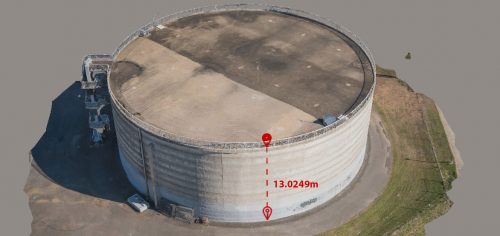
Water utility drone inspections.

Residential and Commercial Roof Inspections

Get a superior layout and assessment of the condition of your building’s roofing with regular roof inspections from a roof inspection drone. These inspections can ensure your home or business’ roofing is properly maintained and can be utilised alongside regular inspections.

Industrial Building Drone Inspections

On top of being just the roofing, a drone inspection can also provide valuable data capture and insight into the more internal structuring of an industrial building such as a warehouse or factory. Building inspectors can assist alongside using drone technology to provide effective information.

Water & Utility Drone Inspections

Water utilities manage a vast array of assets to provide their potable water and wastewater services. Drone-based survey and inspection services offer huge time and cost efficiencies, as well as quantifiable safety benefits by removing the need for personnel to gain access to locations.

Focusing on the outputs, AUAV has experience with data capture using drones, submersibles and remote bathymetric survey boats.
Typical Services Include:
  • Building, dam and spillway inspections.
  • Pipeline surveys and inspections.
  • Replacing confined space inspections with remote tracked vehicles.
  • Topographical surveys for dam-break modelling/simulations.
  • Feral animal mapping in closed catchments.
  • 3D tank modelling and inspections.
  • Aerial gas detection.
  • Stage storage analysis of reservoirs.
  • Internal inspections of tanks, pits and pipes.
  • Thermography to identify water leaks or electrical faults.
  • Stockpile surveys for annual reconciliation of bio-solids.

Roof & Building Inspection Benefits

Reduce risks – the usage of unmanned aerial vehicles (UAVs) allows for less workers to be out in the environment, which reduces the risk of accidents or injury for said workers when compared to performing a manual inspection.

Save time – the ability drones have to work their way through areas and capture accurate data without lots of other equipment will save significant amounts of time over other inspection methods.

Access hidden & inaccessible areas – drones have the size and maneuverability to sneak their way into spaces – or high above ground – for shots from places not normally accessible, making them very sought after.

Cut traditional inspection costs – the lesser amount of equipment, time, and workers required with drone roof inspections means a reduced cost for the entire inspection process.

Frequently Asked Questions

Yes. AUAV can work with asset owners on recurring inspection programs, including managing inspection specifications, collecting inspection data, and reporting findings where required. This can support consistent monitoring of asset condition over time.

Yes. AUAV's inSite™ platform can host inspection images and 3D models, and the data can be used with internal or third-party asset management systems where appropriate. This allows inspection information to fit into existing asset management processes.

An industrial drone inspection can reduce the need for rope access, elevated work platforms, helicopters, or personnel entering difficult areas. Depending on the asset and inspection scope, this can reduce access requirements, inspection time, and operational disruption.

A confined space drone inspection can be considered when inspection areas are difficult or hazardous for personnel to access. The suitability depends on the space, asset, operating conditions, inspection objective, and type of data required.

A drone thermal inspection is useful when temperature differences can provide additional information about an asset or identify areas requiring closer assessment. Whether thermal data is appropriate depends on the asset, inspection objective, and site conditions.

Suitability depends on the asset, inspection objective, site conditions, access requirements, and type of data needed. These factors help determine the appropriate drone, sensors, flight approach, and inspection process.

The data can be processed and delivered according to the project requirements. Depending on the scope, AUAV can provide inspection imagery, 3D models, analysis, reporting, and digital data through its inspection platform or in formats suited to the client's asset management needs.

Yes. AUAV provides drone asset inspection in the USA for commercial and industrial assets. Project scope, site conditions, and inspection requirements are reviewed individually to determine the appropriate approach.

Get in touch with us today