
At AUAV we specialize in utilizing cutting-edge drone technology to perform efficient and accurate inspections of distribution poles. Distribution poles play a crucial role in the electrical power distribution network, and regular inspections are essential to identify potential issues and ensure reliable and safe power delivery.
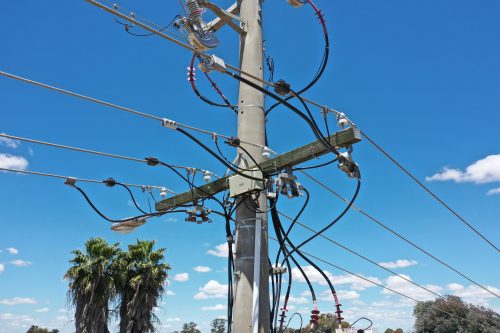
Distribution Pole Inspections
Our drone-based inspection services provide a cost-effective and reliable solution for assessing the condition of distribution poles.
Why Choose a Drone-Based Distribution Pole Inspection?
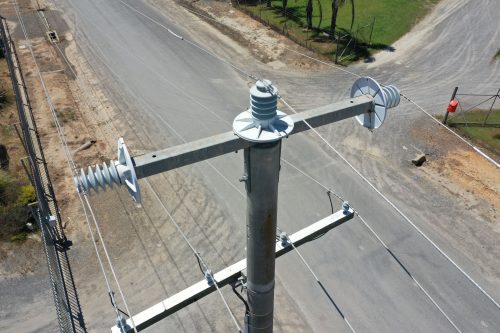
1. Enhanced Safety: Traditional distribution pole inspections often involve manual climbing, putting workers at risk of falls and other hazards. With our drone technology, we can conduct inspections remotely, eliminating the need for climbing and ensuring the safety of personnel.
2. Time and Cost Efficiency: Drone inspections are significantly faster than traditional methods, reducing inspection time and associated costs. Our skilled operators can cover large areas in a fraction of the time required for manual inspections, allowing for efficient allocation of resources.
3. Detailed Imaging and Data Collection: Equipped with high-resolution cameras and sensors, our drones capture detailed images and collect data on distribution poles. This enables us to identify various issues, such as cracks, corrosion, loose hardware, or vegetation encroachment, with exceptional accuracy.
4. Geospatial Mapping and Documentation: Our drone-based inspections integrate GPS technology to create geospatial maps of distribution poles, providing precise locations and facilitating easy documentation. This allows for efficient tracking of inspection results, maintenance history, and identification of specific areas that require attention.
5. Comprehensive Reporting: Our team of experts utilizes advanced software tools to analyze the collected data and generate comprehensive inspection reports. These reports provide detailed insights into the condition of distribution poles, including identified issues, severity levels, and recommendations for repairs or maintenance.
6. Proactive Maintenance: By detecting potential issues at an early stage, our drone-based inspections enable proactive maintenance, preventing costly failures and minimizing downtime. This proactive approach helps utility companies ensure uninterrupted power supply and improve the overall reliability of their distribution infrastructure.
Frequently Asked Questions
A utility pole inspection drone can capture detailed imagery of distribution poles and help identify visible issues such as cracks, corrosion, loose hardware, and vegetation encroachment. The collected information provides a detailed record of individual assets for further review and maintenance planning.
A distribution network drone inspection can collect consistent imagery and location data across multiple assets. This gives utility teams a structured record of pole conditions and helps identify specific locations that may require further assessment or maintenance.
An electric utility drone survey can capture high-resolution imagery and GPS-based location information for inspected assets. The resulting data can be used to document asset conditions, map pole locations, and maintain records that support inspection and maintenance activities.
An aerial power line patrol can use drone-based imagery and location data to provide visual information about electrical infrastructure across an inspection area. The appropriate approach depends on the assets being inspected, geographic coverage, site conditions, and the information required.
Drone inspection methods can be applied to different types of electrical infrastructure, subject to the project requirements and operating conditions. A transmission line UAV inspection would be scoped around the infrastructure, inspection objectives, site conditions, and required deliverables.
AUAV provides drone-based infrastructure inspection services, with each project assessed according to its requirements. A power line drone inspection in USA can be scoped around the assets involved, geographic coverage, inspection objectives, site conditions, and required inspection data.